The Conversation That Changed My Mind
If you're good at your job and comfortable in it, you might know the feeling. Someone offers you more, and your first thought is, why would I leave this?

On being asked to step into a role I wasn't chasing.
The short version: In September 2010, my mentor, then CEO, told me to start working toward his job. I was a happy COO and wasn't chasing it. Two things changed my mind: time to grow into the role, and a new way of seeing my own strengths. That shift still shapes how I lead.
- Time to adapt mattered because I could grow into the CEO role while still building the team.
- My strengths, cutting a path through ambiguity and thinking outside the box, were already CEO qualities. I just hadn't called them that.
- Today I show people where they fit and tie it to where the organization is going.
- Staying ready means staying open and learning, even when your current role doesn't ask for it.
On a Saturday in September 2010, I was in the office early. Nothing special about the day. My mentor, who was CEO of the company back then, came over and told me it was time to start working toward the CEO role.
Didn't expect it.
I was happy as COO. The work sat right in my wheelhouse, and I wasn't chasing the top job. I liked moving between 100,000 feet and 5,000 feet, big picture one hour, detail the next, whatever the job needed that day.
If you're good at your job and comfortable in it, you might know the feeling. Someone offers you more, and your first thought is, why would I leave this?
What changed my mind about becoming CEO?
A couple of things shifted my thinking.
1. I was given time to adapt
The first was time. I got room to adapt my thinking and my approach while I kept building the team. That mattered a lot, because I could grow into the role and still do the work I cared about.
I think this is underrated. When someone gets asked to step up, they're often expected to show up fully formed on day one. That's hard on them. Hard on the organization too. When a transition has time built in, the person keeps their footing while they stretch.
2. I saw my strengths differently
The second was a new way of seeing my own strengths. My ability to cut a path forward when things were unclear would guide me well. So would my habit of thinking outside the box.
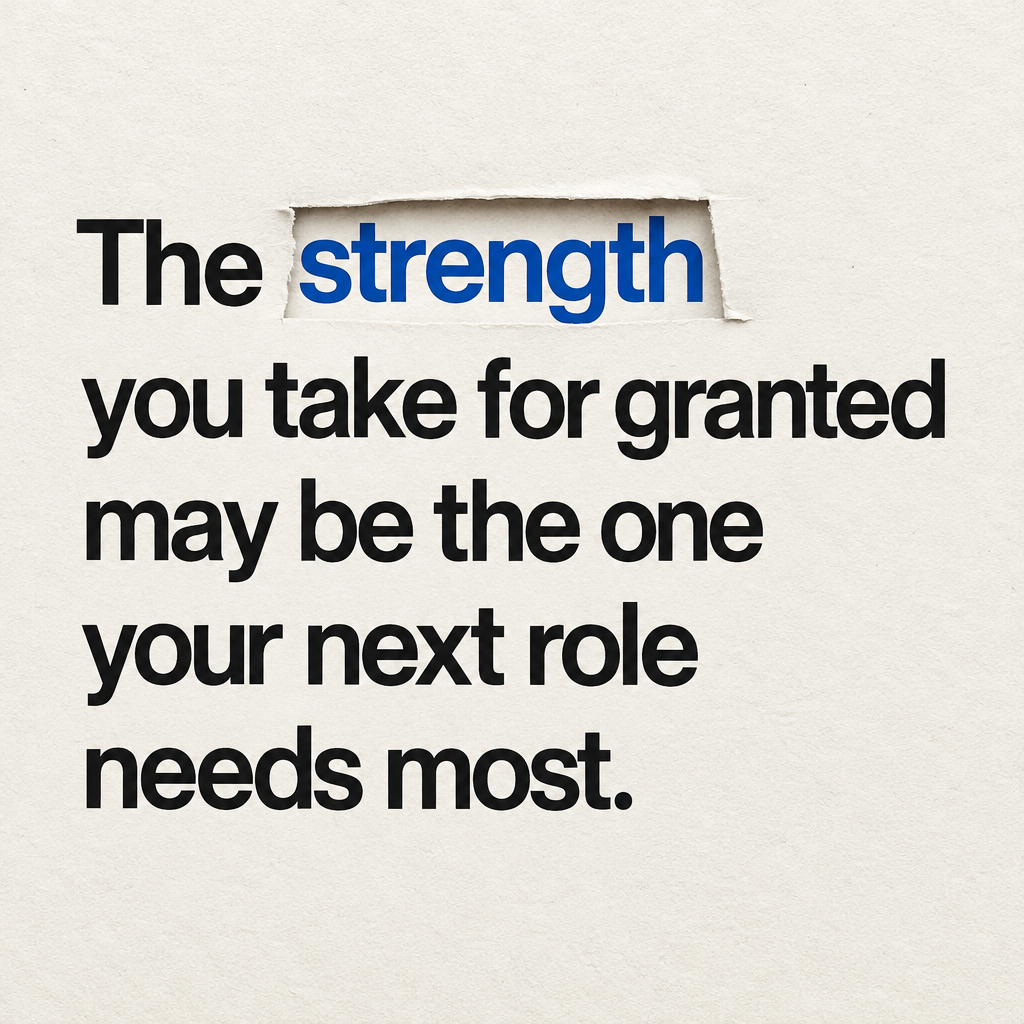
I'd never filed those under CEO qualities. To me they were just how I did the COO job. Then I heard them described as exactly what the next role needed, and the decision looked different. I'd be taking what I was good at and using it in a bigger way.
Sometimes the people around you spot something in you that you haven't named yet. Listening to them, actually listening, past the point where you start arguing back in your head, can change what you think you're ready for.
Why it clicked: Time let me grow into the job, and a fresh look at my strengths showed me I already had what it needed.
How does that experience shape my leadership today?
That experience shaped how I lead now.
I can show people where they fit and what they might need to work on. Then I can tie that to the bigger picture, to where the organization needs to go.
Both halves matter.
If you tell someone what to work on and don't connect it to where the organization is going, it can land as criticism. Connect it to the bigger picture and it becomes a direction. It answers the question people carry around even when they don't say it out loud: why does this matter?
Showing someone where they fit is often where they start to see their own potential. I know what it's like to be comfortable in a role and not see the next step. Someone took the time to show me, so I try to do the same.
It ties back to those two altitudes, too. At 100,000 feet you see where the organization needs to go. At 5,000 feet you see the people doing the work. A leader's job is to connect the two, so each person can see how their work and their growth tie into the larger direction.
In practice: I show people where they fit and link it to where the organization is headed, because that turns feedback into direction.
What's the lesson from that Saturday?
You always need to be prepared for what might show up, and ready to adapt fast.
I wasn't looking for that conversation. It came on an ordinary Saturday morning. If I'd treated my comfort as COO as the end of the road, I might have said no. Then I'd never have found out what I could do in the next role.
Being prepared, for me, comes down to staying open. Keep growing your skills even when your current role doesn't ask for it. And be willing to rethink a position when new information or a new point of view shows up.
Keeping a thirst for learning is the big one, I think.
Learning is what makes adapting possible. If you keep learning, a surprise looks like an opportunity. If you stop, every change starts to feel like something being done to you.
Bottom line: Staying open and still learning is what let me take a role I wasn't chasing.
What should you ask yourself if you're comfortable in your role?
If you're comfortable in your role right now, fine. Comfort often means you're good at what you do. Still, it's worth asking yourself a few questions from time to time:
- If someone offered you a bigger role tomorrow, what would your first reaction be, and why?
- Which of your strengths do you think of as “just how I do my job” that might matter more somewhere else?
- What are you learning right now that your current role doesn't require?
- Who around you sees something in you that you haven't fully recognized?
If you lead others, flip it around. Is there someone on your team who's comfortable and capable, and might not see the next step for themselves? Could you give them time to adapt, and help them see how their strengths fit the bigger picture?
Try this: Answer these for yourself first. Then ask them about one person on your team.
Looking back
What changed my mind that Saturday was time to adapt, and a clear view of how my strengths fit the role.
So stay ready for whatever shows up, and keep learning. When someone sees more in you than you see in yourself, take the time to hear them out.
What to take from this
- Time to adapt lets people grow into a bigger role without losing their footing.
- Strengths you file under “just how I do my job” might be exactly what the next role needs.
- Feedback lands as direction when you tie it to where the organization is going.
- Keep learning even when your role doesn't require it, so surprises show up as opportunities.
- If you lead, look for the comfortable, capable person on your team who can't see their next step yet.