The Album That Showed Up Finished on Album Two — and Made the Big Three a Four
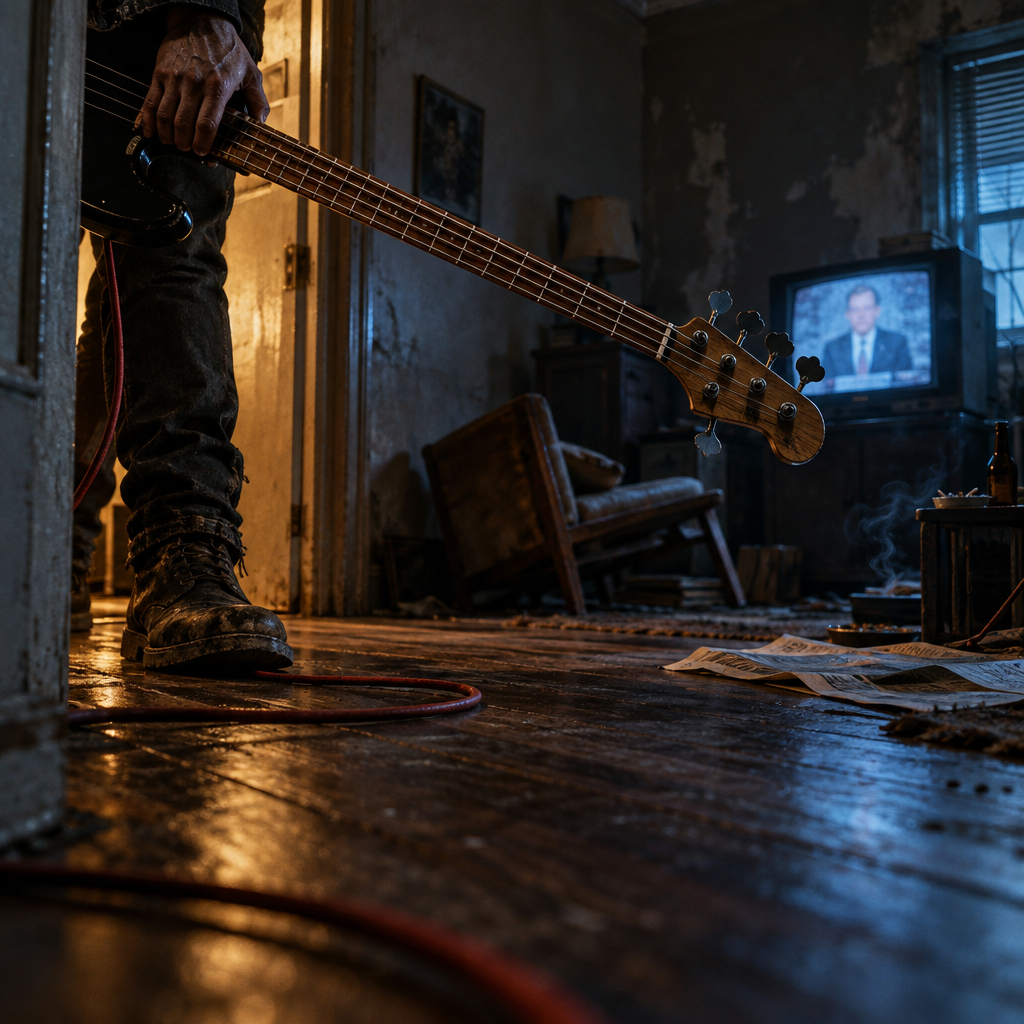
Forty years later, the bass line still walks into the room like it owns the lease.

Most second albums sound like a band still figuring out who they are. Peace Sells… But Who's Buying? arrived in 1986 sounding like Megadeth had already figured it out — and was annoyed everyone else was late.
Here is the detail most people skip: millions of people heard that bass line before they heard a single note of the album. David Ellefson's opening figure played under Kurt Loder on MTV News every night as bumper music. A political sneer, dressed as a television transition. Nobody approved it as a statement. It just became one. That is the kind of thing that only happens when a riff is built well enough to survive without context.
By late 1986, Megadeth already had a sound that worked stripped bare. The riff worked without the band. The snarl worked without the video. The record did not need a decade of warm-up albums to become itself. That is not normal. That is the thing worth paying attention to forty years later.
Peace Sells… But Who's Buying? is Megadeth's second studio album, released September 1986. Second albums are where most thrash bands either prove the debut was real or start repeating themselves with better production. This one does something rarer. It arrives looking finished. The speed is there. The precision is there. Dave Mustaine's vocal — that dry, accusatory bark that never quite becomes a scream — is already fully formed. It is the instrument that defined the next decade of the band's argument with the world, and it is already there on album two.
Credit the lineup that barely lasted. Mustaine and Ellefson. Chris Poland on guitar. Gar Samuelson on drums. Poland and Samuelson brought a jazz-informed swing into a genre that usually treats rhythm like a blunt object. Later Megadeth records are cleaner, meaner, and more polished. Few of them feel this alive. That is not nostalgia. That is a structural argument about what jazz timing does to a thrash riff. You can hear it whether you know who played it or not.
What each standout actually does — and why it still works
Wake Up Dead opens like a guilty conscience with a stopwatch. It is a cheating song dressed as a heist sequence — every bar feels like someone looking over their shoulder. As the lead single, it introduced Megadeth to people who thought thrash was only about apocalypse and armor. It is about getting caught. That is a more human fear than the apocalypse, and it is a smarter song because of it.
The Conjuring is the occult side of the same coin: atmosphere, hex logic, Mustaine selling darkness like a product with a warranty. Fans still argue whether the lyrics are theater or belief. The performance does not care. It commits completely. That commitment is why the song kept its power even when Mustaine kept it off the setlist for years. Belief is optional. Precision is not.
Then the title track. Peace Sells is the thesis statement and the commercial Trojan horse in one. Political without becoming a pamphlet. Catchy without going soft. Ellefson's bass is the door. Mustaine's vocal is the indictment. The chorus is the part you remember while you are still deciding whether you agree. That tension — being pulled in before you have finished thinking — is not an accident. That is a song that knows what it is doing to you.
Devil's Island slows the pulse without losing the threat. A condemned man, a sentence, a God who spares and still cages. Thrash albums are full of punishment fantasies. This one sounds like the punishment looked around and noticed the bars.
Side two's centerpiece is Good Mourning/Black Friday — the instrumental dusk leading into the murder spree. It is long on purpose. The first half earns the violence of the second. When the record wants gore, it makes you wait for it. That patience is craft. Most bands in this genre did not have it.
Here is what the history books usually bury: 1986 produced three records that defined heavy music's ceiling. Master of Puppets. Reign in Blood. And this. Metallica got the monument. Slayer got the extremity. Megadeth got labeled the smart, sour cousin — the one who could outplay the room and still sound annoyed the room existed. That framing undercut the album for years. It also quietly described the people who loved it most: listeners who wanted speed and a point of view at the same time.
That reputation can become a trap. Technical prowess invites the argument to become about technique. Mustaine's biography invites the argument to become about the man. Neither is why this album still plays clean forty years on. It plays clean because the songs are built, not stacked. Because the politics have a melody. Because the snarl is a point of view, not a costume between verses. You can disagree with every lyric and still feel the architecture working on you.
What aged and what did not. The production still sounds hungry. The satire still lands. A few occult set pieces feel of their moment. The title track and Wake Up Dead do not feel like 1986. They feel like a diagnosis that keeps finding new patients. Records that survive usually keep one or two songs that refuse to become period pieces. This one kept a handful. That is a ratio most albums with forty-year anniversary editions cannot claim.
Poland and Samuelson were gone soon after the promotional cycle, dismissed amid the band's familiar chaos. The myth wants that tragedy to explain the greatness. That reading is too comfortable. The greatness is the writing and the performances on tape. The jazz swing is on the record. You can hear it without knowing who got fired afterward.
The album title still works because it is a question with a sneer built in. Peace as product. Virtue as inventory. Who is actually buying the story we tell ourselves about order and safety? In 1986 it read as Cold War sarcasm. In 2026 it reads as media, branding, and the endless soft sell of reassurance. Mustaine did not invent that diagnosis. He put a bass line under it that people hummed without noticing the indictment. That is the harder trick.
Second album. Already the sound. Already the snarl. Already the argument. Most bands spend three records getting there. Megadeth did it in two and made the argument catchy enough to hum.
Forty years on, Peace Sells… But Who's Buying? is not a museum piece for thrash completists. It is a working record — short, mean, oddly graceful — that keeps asking the same rude question of whoever is selling calm this week. The question gets more useful, not less, depending on the year you play it.
Put it on. The songs do not need the mythology to work. The bass still walks in first and still sounds like it owns the room. Forty years is a long time for a riff to stay that confident. Most albums do not get ten.