Why Rob Zombie's The Great Satan Proves Authenticity Beats Technical Perfection
After five years away, Rob Zombie came back with an album that rejects everything modern metal has become. No polished virtuosity. No algorithmic perfection. Just raw, grinding machinery fueled by political rage.

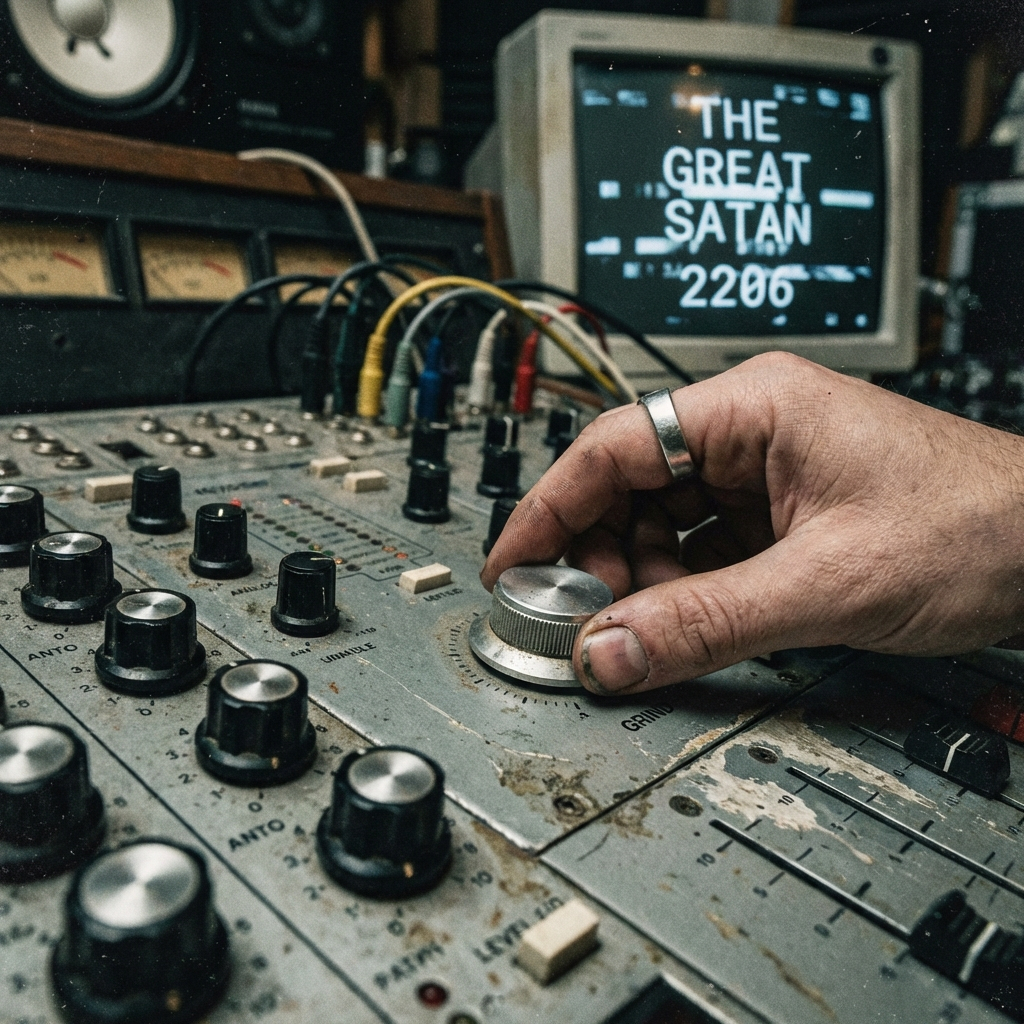
When I first heard the drums on The Great Satan, they hit me like a fist through a speaker.
Forward-mixed. Aggressive. Intentional.
After five years away, Rob Zombie came back with an album that rejects everything modern metal has become. No polished virtuosity. No algorithmic perfection. Just raw, grinding machinery fueled by political rage.
And I love it for exactly that reason.
The Drums Tell You Everything
The drum mix on this album isn't an accident. It's a statement.
Zombie pushed the percussion forward to support the anger and frustration embedded in the lyrics. The beat drives the political discontent—a rage against the current administration that feels mythic rather than topical.
This is uncommon territory for Zombie. He's built a career on horror movie aesthetics, carnival freaks, and demonic imagery. But The Great Satan pivots into something more urgent.
The lyrics describe a collapsing empire as a carnival of monsters.
Leaders, media figures, and ideological zealots appear as grotesque characters rather than real-world names. The criticism becomes cultural instead of partisan. Zombie frames power as a cult spectacle, a religious-political sideshow, a machine feeding on hysteria.
The entire spectacle is grotesque.
Allegory Beats Accusation
Zombie's method operates on three levels that separate this album from predictable protest music.
First: Allegory instead of accusation. He uses symbolic villains and demonic imagery instead of naming people. The critique feels mythic, not like a news headline with an expiration date.
Second: Horror as political language. Zombie's world is full of cult leaders, corrupted prophets, and carnival freaks. When politics appears there, it becomes another form of horror mythology.
Third: Cynicism toward the whole system. Typical protest music tends to be directional—this side bad, that side good. Zombie's framing rejects that binary entirely.
The target isn't only a specific administration. It's the broader ecosystem of spectacle, propaganda, and ideological tribalism.
Why Mike Riggs Matters More Than John 5's Technical Mastery
Here's where the album gets interesting beyond the political commentary.
John 5 is technically flawless. He can play anything. But playing a song without flaw isn't the same as playing a song with deep feel.
Mike Riggs embodies something John 5 never could.
Listen to the mid-song breakdown on the title track. The guitars drop out for a beat, then come back with a staggered, almost lurching riff under the vocal. What stands out isn't complexity—it's the slightly loose attack when Riggs brings the riff back in.
Most producers would tighten that up in post-production.
Zombie left it raw.
That micro-delay before the chord lands creates tension before the downbeat. It makes the riff feel heavier. It reinforces Zombie's groove-metal aesthetic—guitars that feel like machinery grinding rather than perfectly machined parts.
If you quantized that performance to perfection, the riff would sound tighter. It would also sound flatter.
The imperfection gives it personality.
That grinding industrial groove connects directly to the political cynicism. The punky edge reminds you that we're trapped in a machine. The loose attack embodies the spectacle's grotesqueness in a way technical perfection never could.
Riggs oozes the dirtiness behind this album. John 5 played the music but never embodied it.
The B-Movie Interlude That Makes It Real
I need to talk about "Unclean Animals."
It's the album's low point. Chaotic B-movie interlude energy. It feels less like a centrepiece track and more like a strange scene in the middle of a horror film.
Most artists would cut their weakest track.
Zombie left it in deliberately.
Cutting it would make the album feel too polished. That runs against everything Zombie's trying to prove here. The "failure" is part of the authenticity. The B-movie interlude makes the whole thing feel more real.
High points: "Heathen Days" and "Punks And Demons." Short, punk-oriented tracks that hit hard and get out. The album structure emphasizes brevity over indulgence.
Blasko, Riggs, and Ginger Fish play a pivotal role in driving the fury behind Zombie's lyrics. The collaborative chemistry creates intensity that polished studio perfection would kill.
The Anti-Dark Side Philosophy
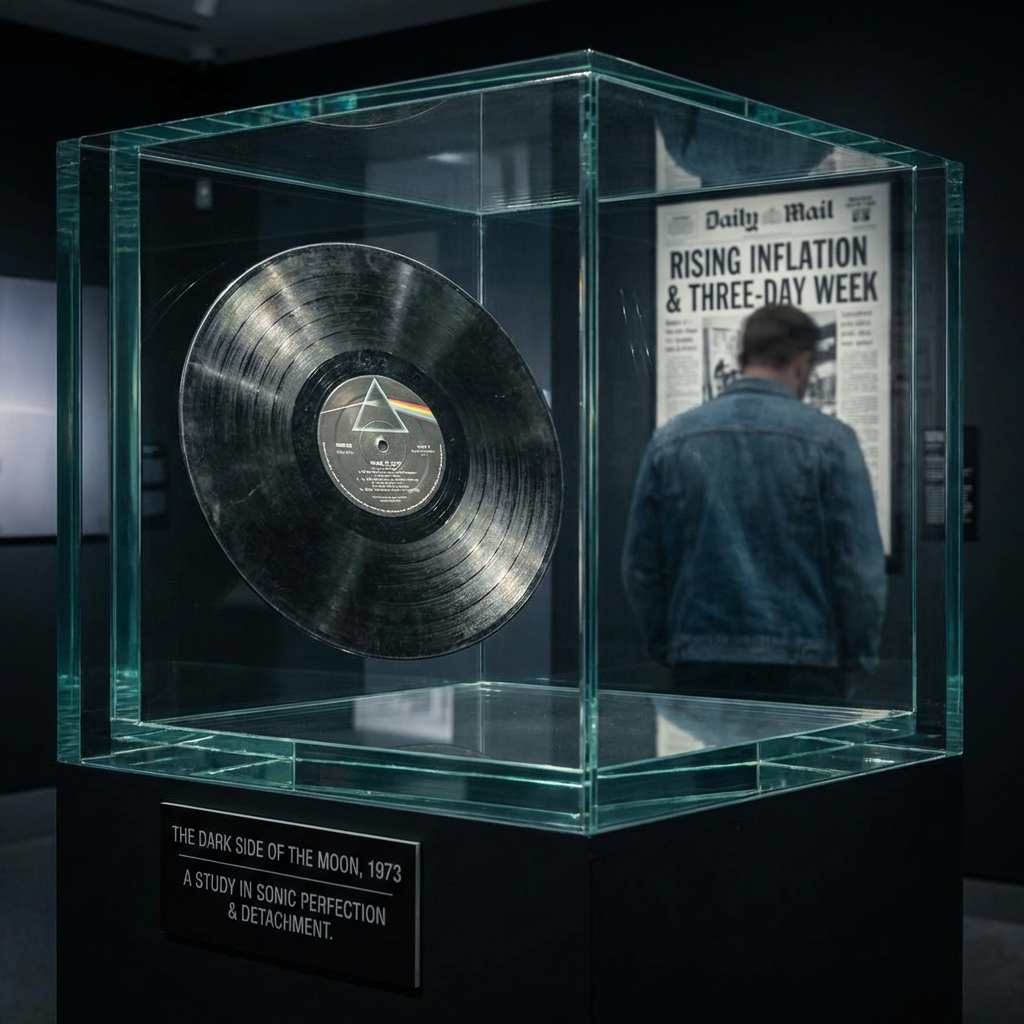
This album is the complete opposite of Pink Floyd's The Dark Side of the Moon.
Dark Side represents the pinnacle of meticulous studio perfection. Every millisecond is engineered. Every sound is placed with surgical precision.
The Great Satan rejects that entire philosophy.
Nothing is perfect. Embrace it, change it, and move on.
That rejection gives us something we desperately need in 2026. Everything else is overproduced and algorithmically perfect. Music gets smoothed out, quantized, Auto-Tuned, and optimized for streaming platforms.
Zombie's approach proves that political urgency and authentic energy matter more than polished execution in counter-culture music.
The five-year gap between albums reveals something about artistic authenticity versus commercial pressure. Zombie didn't rush back with content designed to feed the algorithm. He took time, got angry about the state of the world, and made an album that sounds like machinery grinding.
The forward-mixed drums and punk brevity signal a deliberate rejection of overproduction trends.
This album matters as a blueprint for artists choosing roots over refinement. It shows that embodying the spirit of the music matters more than executing it technically.
What Anger Fueled
Years from now, when most 2026 releases are forgotten, I'll remember how anger fueled a change.
Not just in Zombie's approach to music, but in what music can be when you stop trying to make it perfect.
The Great Satan is an opus that brings you back to Zombie's earlier work. Raw. Political. Grotesque. Imperfect.
And that's exactly what makes it work.
The slightly loose attack. The grinding machinery. The B-movie interlude that doesn't belong. The cynicism toward the entire spectacle of power.
You hear someone who stopped caring about technical perfection and started caring about whether the music feels true.
That's what authenticity sounds like.
And in an era of algorithmic perfection, that's what we need more of.