When Smart Pricing Becomes Predatory Pricing
We are batteries powering a system built for someone else's benefit.

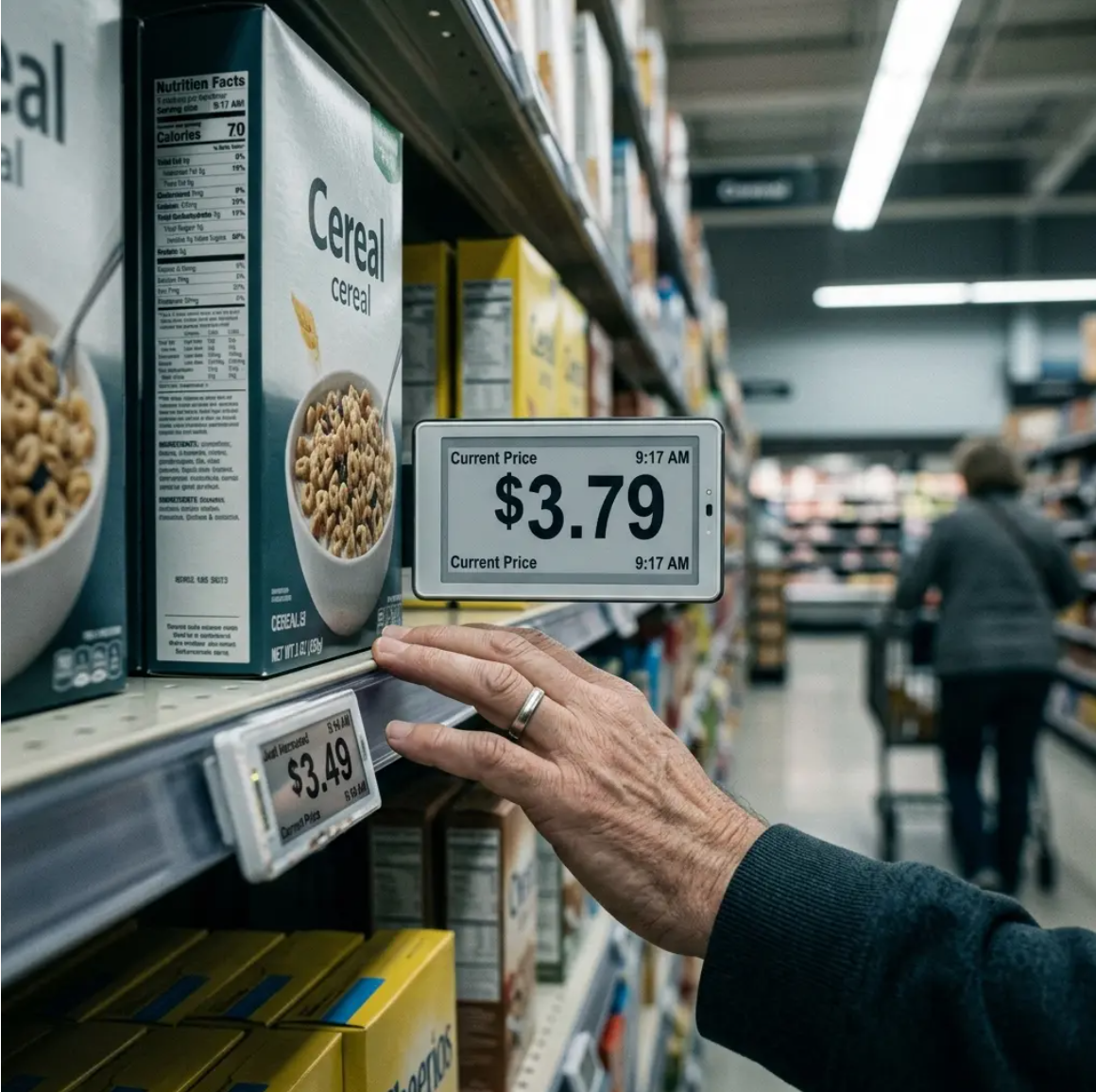
I've been watching Walmart roll out electronic shelf labels across all 4,600 US stores. And I'm bothered.
The technology itself doesn't bother me. Retailers have used price elasticity management systems for years. The speed does.
With digital labels, prices change at 9 a.m., change again at 2 p.m., and change again before the dinner rush. There is no incremental cost because a button press triggers this.
Walmart calls this innovation. I call this the last mile of implementation for surge pricing.
The Human Cost of Algorithmic Efficiency
Here's what worries me most. Walmart's core customers earn between $40,000 and $90,000 annually. Many live paycheck to paycheck.
Dynamic pricing hurts these people most.
Picture a single parent shopping on Friday evening after payday. Surge pricing during peak traffic hours forces a choice: pay more for the same items or adapt your entire life around an algorithm. Shop Sunday morning instead. Visit a different retailer.
And there's the problem. Low-income shoppers now optimize their schedules around a system designed to extract maximum value from them.
This Isn't Like Loyalty Programs
People keep comparing this to member pricing at Kroger or Costco. The comparison misses the point.
With loyalty programs, someone subsidizes the discount. The packaged goods company either pays the discount or the product margin covers it. There's a trade: you give your data, you get a lower price.
Walmart doesn't have a loyalty program. This is about testing how much consumers will bear in price increases to sell more units. No subsidy exists. Algorithmic extraction does.
The system creates pressure from both directions. Walmart gains an understanding of what the market will bear for any given product, then uses that data to pressure manufacturers on pricing. Meanwhile, consumers pay more based on time of day, inventory levels, and variables we don't even see.
The Trust Problem Nobody's Talking About
Matt Hamory, a grocery consultant at AlixPartners, shared this: "Dynamic pricing is playing with fire. There is an element of consumer trust being eroded because they don't know they're getting the best price at any moment."
I keep thinking about shoppers seeing prices change on the shelf in front of them.
The visibility exposes the whole system. And here's the thing: many of Walmart's customers don't have the money to shop anywhere else.
They're trapped by economics even as trust erodes.
The Regulatory Gap
Current consumer protection laws weren't built for this. Policymakers in Maryland, Pennsylvania, and Minnesota have introduced measures to ban or limit dynamic pricing in grocery stores. Regulation moves slowly while technology moves fast.
Congresswoman Val Hoyle put this plainly: "While there is no reported use of digital shelf labelling being tied to surge pricing yet, we're on borrowed time."
She's right. The idea exists. The infrastructure is being installed. We're waiting for the switch to flip.
What's Really at Stake
After looking at this from every angle, I keep coming back to one realization.
We are batteries powering a system built for someone else's benefit.
The technology isn't inherently good or bad. But when you combine monopolistic scale with AI speed and apply both to essential goods purchased by vulnerable populations, you create conditions for exploitation.
Not all innovations benefit end users. Sometimes, technology in retail is about making more money or saving costs. This appears to be one of those times.
Dynamic pricing is already standard practice. The real question: do we regulate before this becomes predatory, or after?