Walmart's AI Pricing Patents Signal the End of Retail's Level Playing Field
Early AI adopters investing before 2026 will likely control 73% of the projected $164 billion retail AI market by 2030.


Walmart secured nearly 50 U.S. patents since January 2026. Two of them focus on machine learning systems for pricing—one automates markdown decisions in their eCommerce unit (which generated over $150 billion last year), the other uses machine-generated predictions to inform pricing strategy.
This looks like innovation. I think it's something else.
It's infrastructure.
The Boring Advantage Compounds
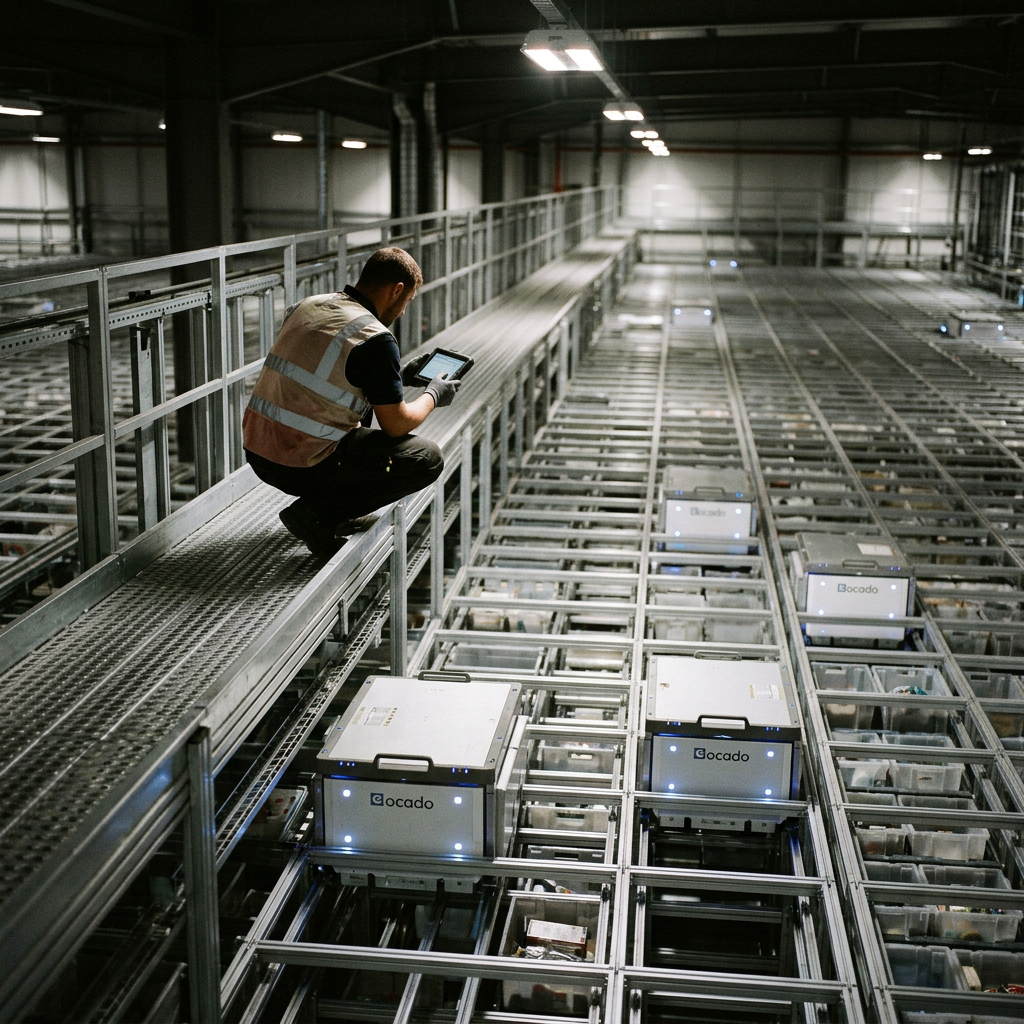
The most powerful competitive advantages are often mundane. Walmart already designed their entire system around physical proximity. They have 5,200 stores getting digital shelf labels by 2027, creating real-time pricing capability at scale.
That's the advantage. The patents just formalize what the infrastructure already enables.
Early AI adopters investing before 2026 will likely control 73% of the projected $164 billion retail AI market by 2030. Companies moving early experience six times faster returns on their AI investments.
Walmart isn't racing to catch up. They're pulling away.
What This Means for Everyone Else
Smaller retailers face a compounding problem. The technology gap creates a talent drain—nearly 90% of AI engineers prefer organizations already using sophisticated AI technologies. You can't build what you can't staff.
The data tells the story. Retailers implementing AI-driven pricing report up to 13% lifts in average order value during peak periods. A 5% increase in conversion rates among repeat buyers. These aren't projections. They're results.
Meanwhile, 55% of retailers are planning to pilot dynamic pricing with Generative AI in 2026. Planning! Walmart is already executing at 5,200 locations.
The Real Question Nobody's Asking
Consumer trust remains fragile. Grocery consultant Matt Hamory warned that dynamic pricing is "playing with fire," citing the goodwill retailers risk when customers suspect pricing works against them.
Walmart has brand equity buffer—their grocery prices run 10 to 25% lower than conventional stores. But perception shifts fast.
Here's what I'm watching: 44% of Black Friday shoppers planned to use AI tools like ChatGPT to find the best prices. Amazon changes prices millions of times per day, with the average product shifting every 10 minutes.
We're entering an arms race where shoppers use AI to combat retailer AI.
The Prediction
This plays out in three phases.
Phase 1 (now through 2027): Large retailers implement AI pricing infrastructure. The gap between early adopters and everyone else widens. Smaller players either partner with platforms or accept permanent disadvantage.
Phase 2 (2027-2029): Consumer AI tools become standard shopping companions. Price transparency increases, but so does volatility. Retailers with the best data and fastest systems win the micro-moment pricing battles.
Phase 3 (2030+): The market bifurcates. A handful of retailers with sophisticated AI systems control the majority of the market. Everyone else competes on dimensions AI can't easily replicate—local relationships, specialized expertise, community trust.
Walmart's patents aren't about pricing algorithms. They're about locking in the infrastructure advantage while competitors are still planning pilots.
The boring stuff wins again.