How I Keep My Team Motivated When Technology Changes Everything
I've watched teams lose motivation during tech rollouts more times than I care to admit.


I've watched teams lose motivation during tech rollouts more times than I care to admit. The pattern is always the same: leadership announces a shift, explains the strategy, and expects the team to get excited. Instead, energy drops. People nod in meetings but stop volunteering ideas. The strongest voices become cautious.
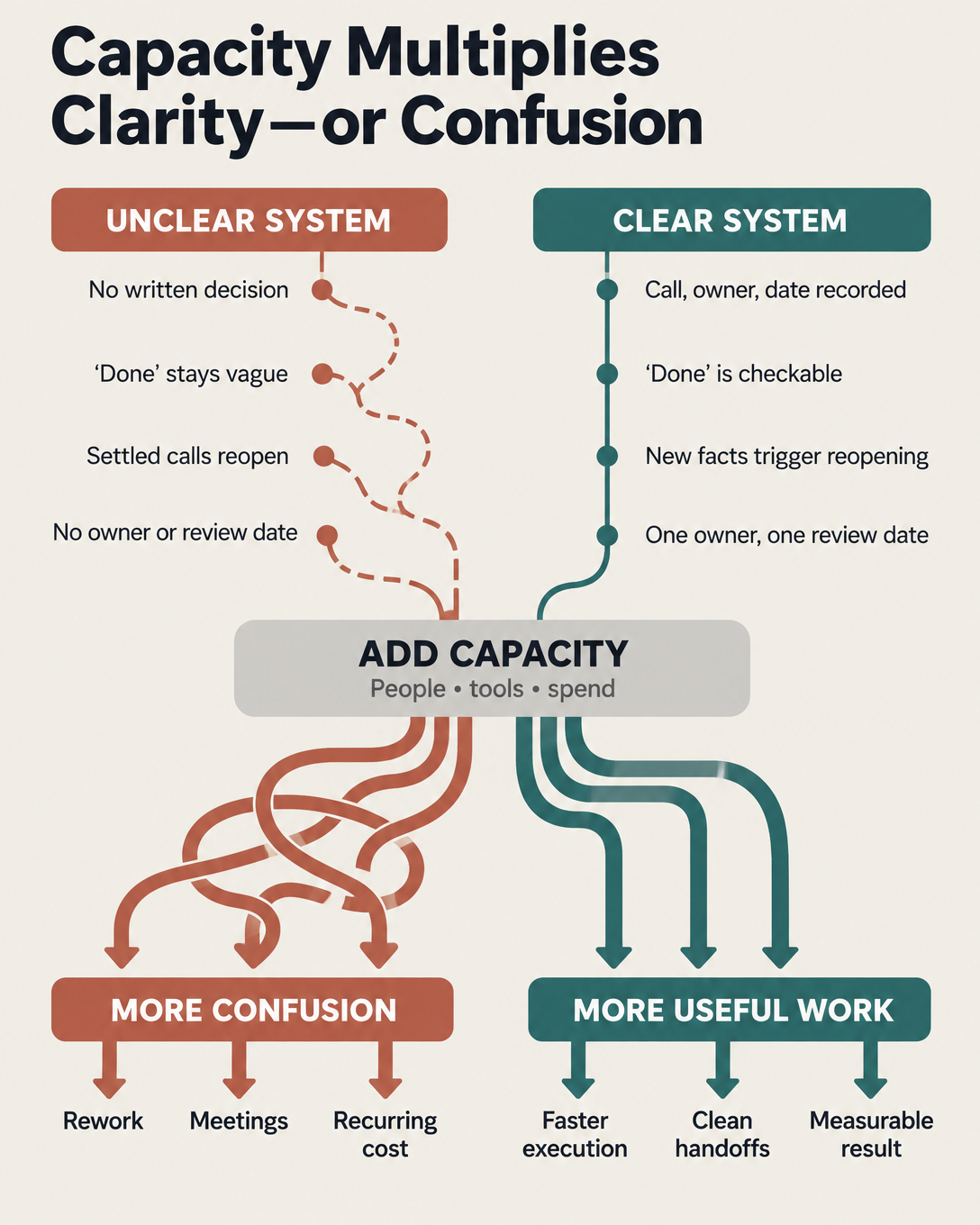
Technology doesn't demotivate people. What demotivates people is ambiguity, loss of control, and the fear that their skills will become irrelevant.
I learned this the hard way while at Mercatus, during our shift from web-centric to mobile-first. The moment I realized something was wrong wasn't during strategy discussions. It was when the team stopped asking "How do we win in mobile?" and started asking "Do we have the skills for this?" and "What happens to the current roadmap?"
This was the quiet translation. What I saw as an opportunity, the team experienced as a threat.
Stop Talking and Start Listening
When I recognized this shift from opportunity to compliance, I did something counterintuitive. I stopped explaining the strategy.
The team didn't need more explanation. They needed to be heard.
So I changed the conversation from "Here's why this matters" to "Tell me what you think this is going to break."
This opened up a completely different discussion. People started surfacing real concerns: capacity constraints, skill gaps, unclear ownership, quality risk, and roadmap disruption. Once those concerns were out in the open, we dealt with them directly rather than pretending that motivation was a communication problem.
One person said, "We're being asked to become mobile-first, but nobody has taken anything off the roadmap. Are we expected to support web, build mobile, learn new patterns, and absorb the quality risk with the same team?"
This was the right question. And a fair one.
Make the Trade-Offs Explicit
I addressed the capacity concern by moving the discussion from enthusiasm to trade-offs.
We brought product, engineering, QA, and support into a working session. We went through the roadmap item by item and asked four questions:
- Is this directly tied to the mobile-first strategy?
- Is this tied to a contractual or high-value customer commitment?
- Does delaying it create material customer, revenue, or reputational risk?
- Does keeping it create delivery risk that could compromise the rollout?
Some lower-priority web work was paused. Mobile work was sequenced more deliberately. Ownership was clarified across teams.
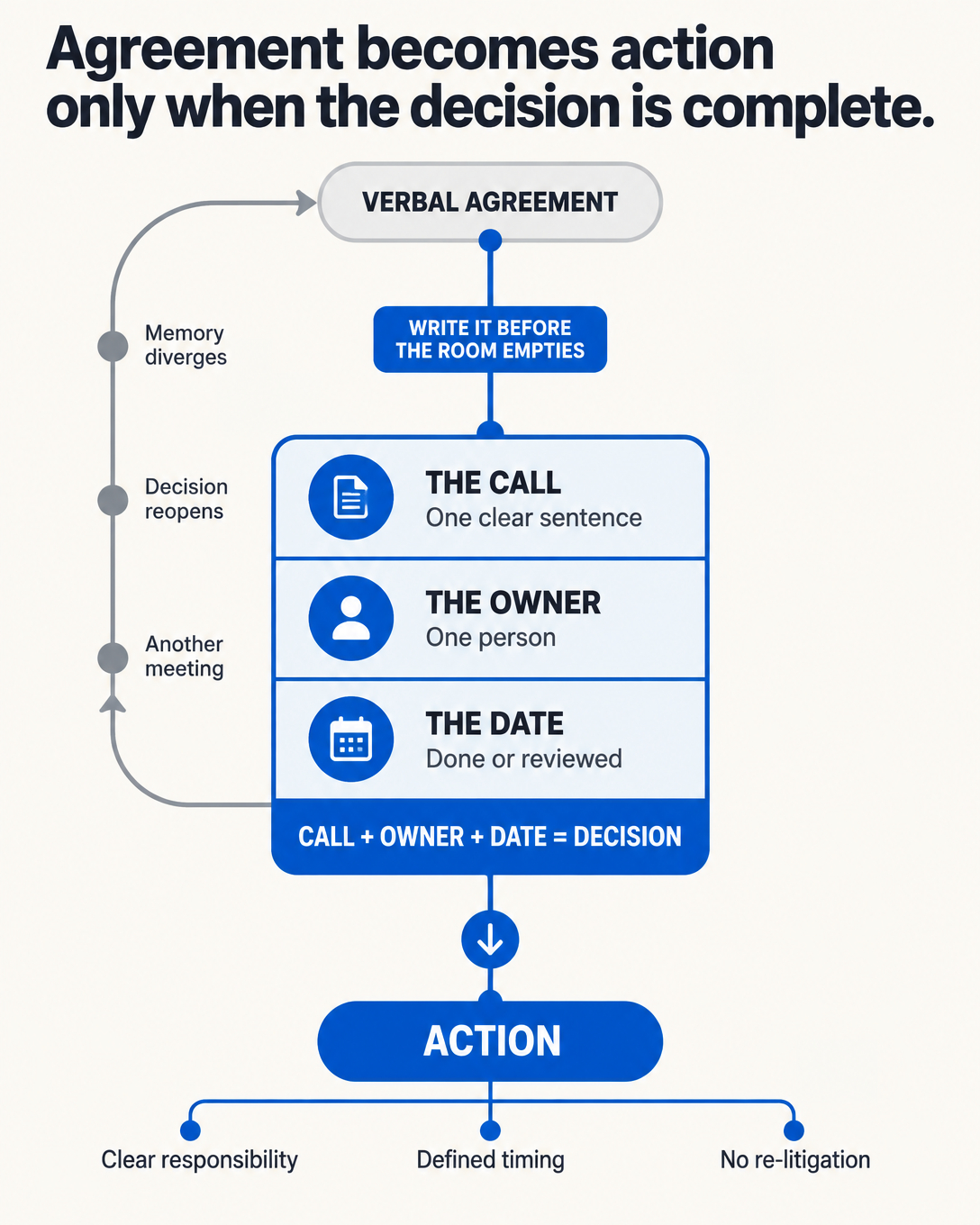
The key was making the trade-offs explicit. We didn't tell the team to "prioritize mobile." We showed them what this meant in practical terms: what stayed, what moved, what got paused, and why.
This is where motivation started to come back. People saw that leadership wasn't asking them to absorb unlimited work under a new slogan.
Address Fear Without Empty Reassurance
When someone worries about skills becoming irrelevant or about job security, reassurance is well-intentioned but doesn't address the underlying issue.
If someone feels skills are becoming irrelevant, they need evidence that the organization will help them adapt.
I make the learning curve explicit. I say: "We know this is a shift. We don't expect everyone to be experts on day one. But we do expect everyone to engage, learn, and move forward." Then I back this up with time, training, pairing, coaching, and space in the plan for mistakes.
Psychological safety is critical. People need to be able to say "I don't know how to do this yet" without being judged as weak or obsolete.
During one early discussion, someone admitted: "I don't understand how this changes the way we should prioritize the roadmap."
I paused the conversation and said, "This is exactly the kind of question we need on the table. This is a safe space to learn, ask questions, and make mistakes. Nobody is expected to have this fully figured out yet."
Then I added the important boundary: "What's not negotiable is falling back into the status quo because the new approach feels uncomfortable."
This distinction mattered. Uncertainty was acceptable. Avoidance was not.
Spot the Difference Between Learning and Resisting
You tell the difference by looking at patterns, not single moments.
Someone who's genuinely learning may be uncomfortable or slower, but there's still curiosity. They ask questions. They try to connect the new approach to the work. They come back with "I tried this and got stuck here."
Someone who's quietly resisting stays abstract. They keep returning to why the old way worked, why the new way is risky, and why the timing is bad. There's no experimentation, no follow-up, no visible effort to learn the new skillset.
For me, the clearest signal is the absence of curiosity.
When I spot this flat energy, I don't start by accusing them of resisting. I start by trying to understand what they're feeling.
I might say: "I'm sensing some hesitation here. Help me understand what's coming up for you as we talk about this change."
Then I listen carefully. Sometimes the story is fear. Sometimes the story is frustration. Sometimes the story is fatigue. Sometimes the story is lack of ownership.
If they engage with the question, even imperfectly, there's something to coach. But if the answer stays abstract and there's no curiosity behind the words, I make the expectation clear: "It's okay not to have this fully figured out. It's okay to need support. What's not okay is staying outside the change."
Give Teams Real Agency
One decision I learned to let the team make was who started first and how progress would be reported.
My instinct was to control this tightly: define the pilot group, set the reporting cadence, decide the format. This feels safer as a leader, but you turn the rollout into something being done to the team rather than with the team.
So I stepped back and said: "You know the work, the personalities, and the risk points better than I do. You decide who should go first, and you decide what the most useful progress reporting looks like."
The team picked people who were most likely to learn quickly, ask practical questions, and bring others along. They chose a reporting format simpler than what I would have created: what was tried, what worked, what broke, what help was needed, and what should change before the next group started.
This created ownership. The rollout stopped feeling like a management exercise and started feeling like a team-led implementation.
This also gave me better information. Instead of polished status updates, I got practical signals: where the process was unclear, where training was missing, where people were stuck, and where the team was gaining confidence.
What I Learned to Avoid
Something I used to do was over-package the rollout before bringing the team in. I thought my job was to make the change clear, organized, and easy to understand: here's the strategy, here's the plan, here's the timeline, here are the expected outcomes.
But when you bring people a fully formed plan, even a good one, you unintentionally remove ownership. The team hears the "why" and the "what," but they don't feel like they helped shape the "how."
This turns motivation into compliance.
What I do differently now is bring the team into the change earlier. I still share the why and the what clearly. But then I co-create the implementation with the team. I ask: "How should we roll this out?" "Where will this create friction?" "What should we test first?" "What would make this easier to adopt?"
This changes the energy. People are no longer receiving the rollout. They're helping design what happens. And when they help design what happens, they're far more likely to own the outcome.
Motivate Through Clarity, Ownership, and Momentum
If I had to give one piece of advice to a leader rolling out a major technology change, here's what I'd say: don't try to motivate the whole organization through a perfect plan.
Motivate them through clarity, ownership, and momentum.
Be clear about the north star. People need to understand why the change matters, what the business is trying to become, and what success looks like. Without this clarity, the rollout becomes noise.
Then empower your champions. Find the people who are curious, credible, and willing to learn out loud. Give them room to experiment, bring others along, and surface what's happening on the ground.
Embrace ambiguity. A major technology change will not unfold exactly as planned. You have to make the space safe for people to ask questions, make mistakes, and learn in real time.
Treat failure as information. When something breaks, don't turn failure into blame. Use failure to improve the rollout.
And celebrate wins early and visibly. Not big milestones only, but small signals of progress: someone learned a new skill, a process got faster, a customer experience improved, a team member helped others get unstuck.
This is how motivation holds. People need to see where they're going, feel they have a role in shaping how to get there, and believe progress will be recognized along the way.