
Appetite for Destruction Review (1987): Why Guns N’ Roses Redefined Hard Rock
Appetite for Destruction review, Guns N’ Roses 1987 album, best hard rock albums, Sunset Strip rock, Slash guitar tone, classic rock albums

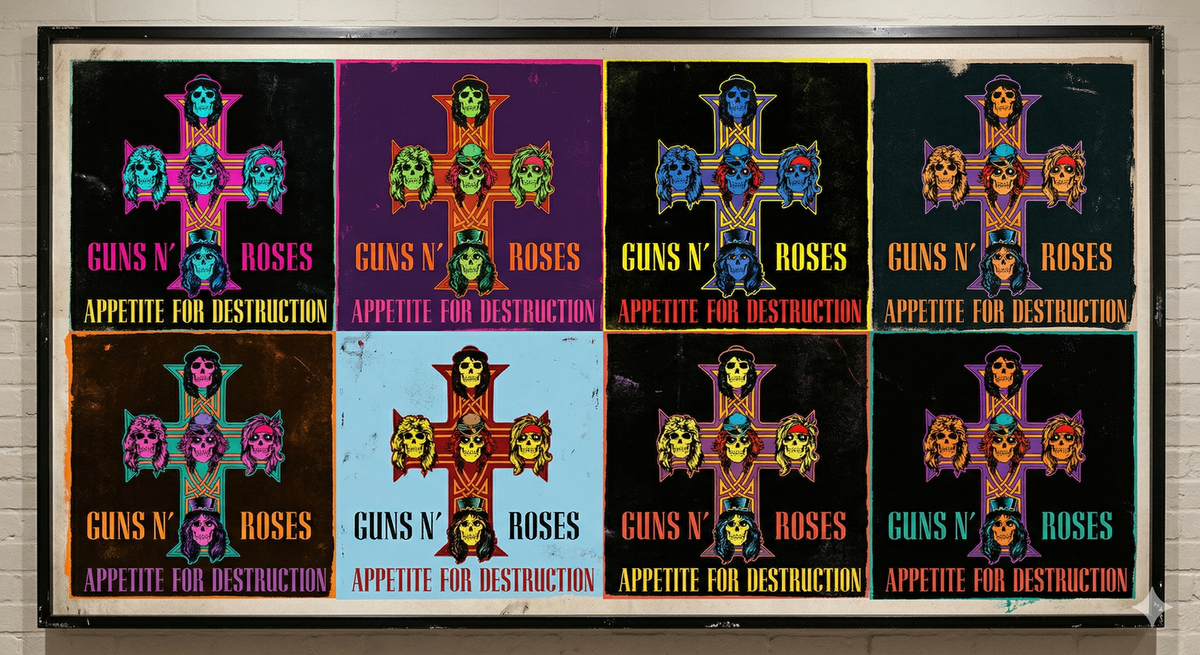
Released in 1987, Appetite for Destruction by Guns N' Roses didn’t just enter the rock scene—it redefined it. At a time when glossy, radio-polished hair metal dominated the charts, this debut album delivered something far more dangerous: raw, aggressive, and unapologetically real hard rock that cut through the noise.
A Hard Rock Album That Broke Through the Hair Metal Era
While Bon Jovi’s Slippery When Wet was still at its commercial peak, Appetite for Destruction introduced a grittier, street-level sound rooted in the Sunset Strip but stripped of its glam façade. Guns N’ Roses became a welcome respite from formulaic hair metal, offering authenticity over polish.
The Biggest Hits vs. The Real Sound of Guns N’ Roses
Tracks like “Welcome to the Jungle” and “Sweet Child o' Mine” became global hits and remain among the most recognizable rock songs of all time. However, they don’t fully represent the band’s core identity.
For that, you have to look deeper into songs like:
- “It's So Easy”
- “My Michelle”
These tracks define the sleaze-driven, rebellious rock sound that emerged from Los Angeles’ Sunset Strip in the late 1980s—arguably the true DNA of Guns N’ Roses.
Cultural Context: Reagan Era, PMRC, and Musical Rebellion
The album landed during the waning years of the Ronald Reagan administration—a time when cultural tension and skepticism were rising. Simultaneously, the Parents Music Resource Center (PMRC) was attempting to regulate lyrical content and impose parental advisories.
Guns N’ Roses responded not with compliance, but defiance.
There’s an unmistakable anger in Appetite for Destruction, but more importantly, there’s honesty. The lyrics reflect real experiences—addiction, excess, survival—and that authenticity resonated deeply with listeners who rejected sanitized rock narratives.
Musicianship: A Fully Formed Band From Day One
Unlike many debut albums, this wasn’t a band still finding its sound. Guns N’ Roses arrived fully formed.
- Slash and Izzy Stradlin created a dual-guitar dynamic that was both tight and chaotic
- Axl Rose delivered one of the most distinctive vocal performances in rock history
The opening riff of “Nightrain” stands as one of the most iconic in hard rock, evoking the raw power of AC/DC while maintaining its own identity.
Slash, Gibson, and the Return of Guitar Cool
One of the most relevant, lasting talking points about this album is the impact of Slash on guitar culture.
Slash didn’t just play—he redefined rock guitar aesthetics:
- Revitalized the Gibson Les Paul in mainstream rock
- Created an instantly recognizable tone and visual identity
- Sparked a renewed interest in classic guitar-driven rock
His influence arguably outlived the collective identity of Guns N’ Roses itself.
Controversy vs. Legacy: Did Image Overshadow the Music?
Guns N’ Roses became as famous for their excess and controversy as for their music. Their reputation—chaotic, unpredictable, excessive—often overshadowed the album's craftsmanship.
Yet from a historical standpoint, Appetite for Destruction consistently ranks among:
- The greatest debut albums of all time
- The most influential hard rock albums of the 1980s
- The defining album of Sunset Strip rock culture
Final Verdict: A Defining Album That Still Resonates
Despite the passage of time and the fragmentation of the band’s legacy, Appetite for Destruction remains a cornerstone of rock music history.
It wasn’t just successful—it was corrective. It pulled rock back toward grit, authenticity, and danger.